India preserves traditions by allowing them to evolve. Paan exemplifies this approach. Before cafés and dessert bars, paan concluded meals, signaled hospitality, and accompanied conversations.
For years, paan stayed unchanged as food habits, presentation, and hygiene evolved. It remained the same until someone saw that honoring tradition means preparing for the future.This is where the story takes a new turn.
Paan as an experience, not just a habit
Today’s consumer doesn’t only look for taste. They look for comfort, trust, cleanliness, and a sense of belonging. The modern paan lover may still crave familiar flavours, but they also want assurance of quality, consistency, and care.This mindset shaped a business approach extending beyond traditional stalls. The launch of the Paan King new menu signals a commitment to refinement, positioning the brand for modern consumers.
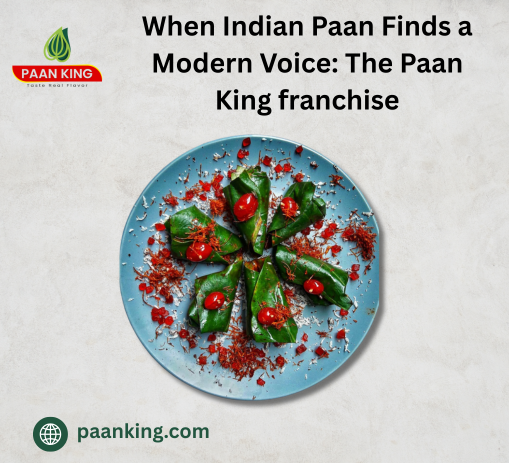
Each offering is intentional: balanced flavors, careful preparation, and respect for ingredients create a personal experience to be savored.
A menu shaped by tradition and modern taste
What makes a menu memorable isn’t the number of items—it’s the feeling it leaves behind. Here, every variation feels like it has been tested not just for taste, but for emotion as well. Some remind you of old family gatherings, others surprise you gently, and a few invite curiosity.
This balance ensures first-time customers feel welcome and long-time paan lovers feel understood. The absence of forced or gimmicky elements distinguishes the experience.
The emergence of structured paan culture
For decades, paan was unorganized. Quality varied widely by seller, limiting its reach—especially among younger or urban customers.The emergence of the paan franchise in India has changed that reality. It has given paan a reliable structure without stripping away its soul. Standardised processes, trained preparation, and hygienic environments have allowed paan to step confidently into modern retail spaces.This evolution has preserved, rather than replaced, tradition.
The importance of consistency over creativity
Innovation attracts attention, but consistency builds loyalty. Customers return because they trust the experience and know they’ll get quality and care.The focus is on excelling at the fundamentals: fresh ingredients, clean preparation, and respectful service. These elements establish trust, which supports further growth.
A business that honors culture
Paan, deeply rooted in Indian culture, is a business with cultural responsibility. Companies must respect rituals, language, and emotion, and elevate tradition while delivering a consistent customer experience.
Structured paan outlets are more than just about profits; they build heritage value, expand audiences, and position the business as a steward of India’s culinary legacy.
Growth while preserving identity
As the concept expands across cities and regions, its strength lies in adaptability. Preferences may change from place to place, but the core philosophy remains the same—respect the leaf, respect the customer, respect the tradition.This balance allows paan to expand without losing its unique character.
Beyond taste: building trust
Customers may come for flavour, but they stay for familiarity. They return because the place feels dependable, welcoming, and genuine. That trust is built slowly, through everyday interactions rather than marketing noise.
Over time, the brand becomes integrated into daily routines, whether after meals, during celebrations, or as a source of comfort.
A name that carries meaning
Today, Paan King stands for reliability and refinement in the paan business, blending Indian taste traditions with professional standards to create a relevant and respected brand.
Looking ahead while remaining rooted in tradition
The future of paan depends on thoughtful evolution, where innovation respects and builds upon tradition rather than overshadowing it.
As Indian food culture rediscovers its roots through modern formats, paan remains a living tradition rather than a forgotten ritual.
This may be its greatest strength: paan does not seek to impress, but invites people to pause, taste, and remember.